Crafting Chic Urban Micro‑Apartments with Boutique Hotel Flair
Space Alchemy: Layouts That Feel Larger
Zoning With Purpose
Define a calm sleep alcove, a social table, and a focused workspace, then let each zone perform double duty. A dining bench conceals linens, a headboard hides lighting controls, and a wall rail floats shelves or art. Clear boundaries reduce clutter while invitations to reconfigure keep life flexible.
Circulation And Sightlines
Sketch a primary axis from entry to window and keep it visually unbroken. Low profiles, glass corners, and leggy pieces preserve depth. Mirrors placed perpendicular to glazing multiply daylight without glare. When pathways are readable, even tiny homes feel polite, welcoming, and quietly confident, like great lobbies do.
Transformative Partitions
Use pocket doors, sliding screens, and ceiling‑mounted curtains to shape experiences rather than build walls. Frosted acoustic glass preserves privacy while sharing light. A movable bookcase can host art, hide storage, and stage video calls. The goal is choreography, not barriers, enabling quiet, conversation, and creation to coexist.
Materiality With Soul: Tactile Layers And Warmth
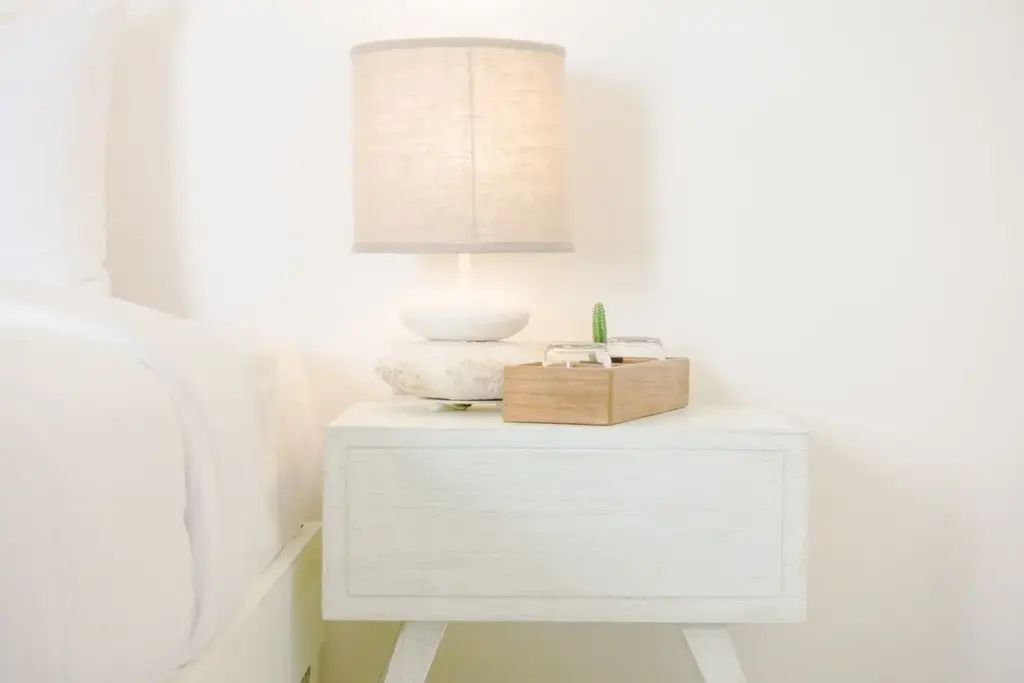
Small Palette, Big Impact

Durability Meets Luxury
Lighting As Story: Layers, Dimmers, And Drama
Storage That Surprises: Hidden, Honest, Handy

Signature Moments: Art, Aroma, And Sense Of Arrival
A Micro Lobby At Your Door
Curated Art Anchors Personality
Soundscapes And Scent Layers
Hospitality-Grade Comfort: Beds, Baths, And Rituals