


Lift the gaze with picture lights, slim uplights behind drapery, or miniature spots at the top of shelving. Emphasizing height expands perceived scale. Pair with lighter ceilings and tidy crown details, and control spill so ceilings glow evenly without glaring into seated eyes.
A sprinkle of micro-pendants, ribbed glass, or faceted shades introduces movement as reflections dance. Keep lamp wattage low and use dimmers to preserve intimacy. Combine soft washes with a few small points of brightness to enrich texture while keeping overall contrast comfortable for everyday living.
Cross-light artwork with two gentle beams to remove harsh shadows, then graze a woven basket or leafy plant for depth. Use warmer light for natural fibers and cooler for crisp prints. Adjust beam widths carefully to avoid haloing or distracting spill on frames and glass.
Use tunable-white fixtures or mix sources around 2700K for relaxing hours and 3500–4000K for alert tasks. Keep differences subtle within a room to maintain cohesion. Align lighting with circadian needs, and program gentle fades so transitions feel natural, never abrupt or disorienting in a compact footprint.
Select 90+ CRI lamps so textiles, wood grains, and skin tones look lively and accurate. In small rooms, poor rendering quickly appears dingy. Favor reputable LEDs with stable color over time, and match bins across fixtures to prevent subtle mismatches that shrink perceived cohesion and comfort.
Combine dimmers, dual-circuit switching, and simple scenes for morning, focus, dining, and night. Even a tiny studio benefits from zones for ambient, task, and accent layers. Wireless keypads or voice control reduce wall clutter, while schedules save energy and welcome you home with consistent glow.

Use simple rules of thumb, then verify. Downlight spacing roughly equals ceiling height, beams should overlap at task height, and wall-washers sit close enough to blend. Check manufacturer photometrics, and mock with painter’s tape to visualize cones before cutting holes in a perfectly good ceiling.

Favor shallow housings, mini-pendants with compact canopies, and sconces with tight projection to keep circulation clear. Look for field‑adjustable color temperature and interchangeable optics. Magnetic track or plug‑in systems allow painless iteration, so your lighting can evolve as furniture changes or new needs arrive.
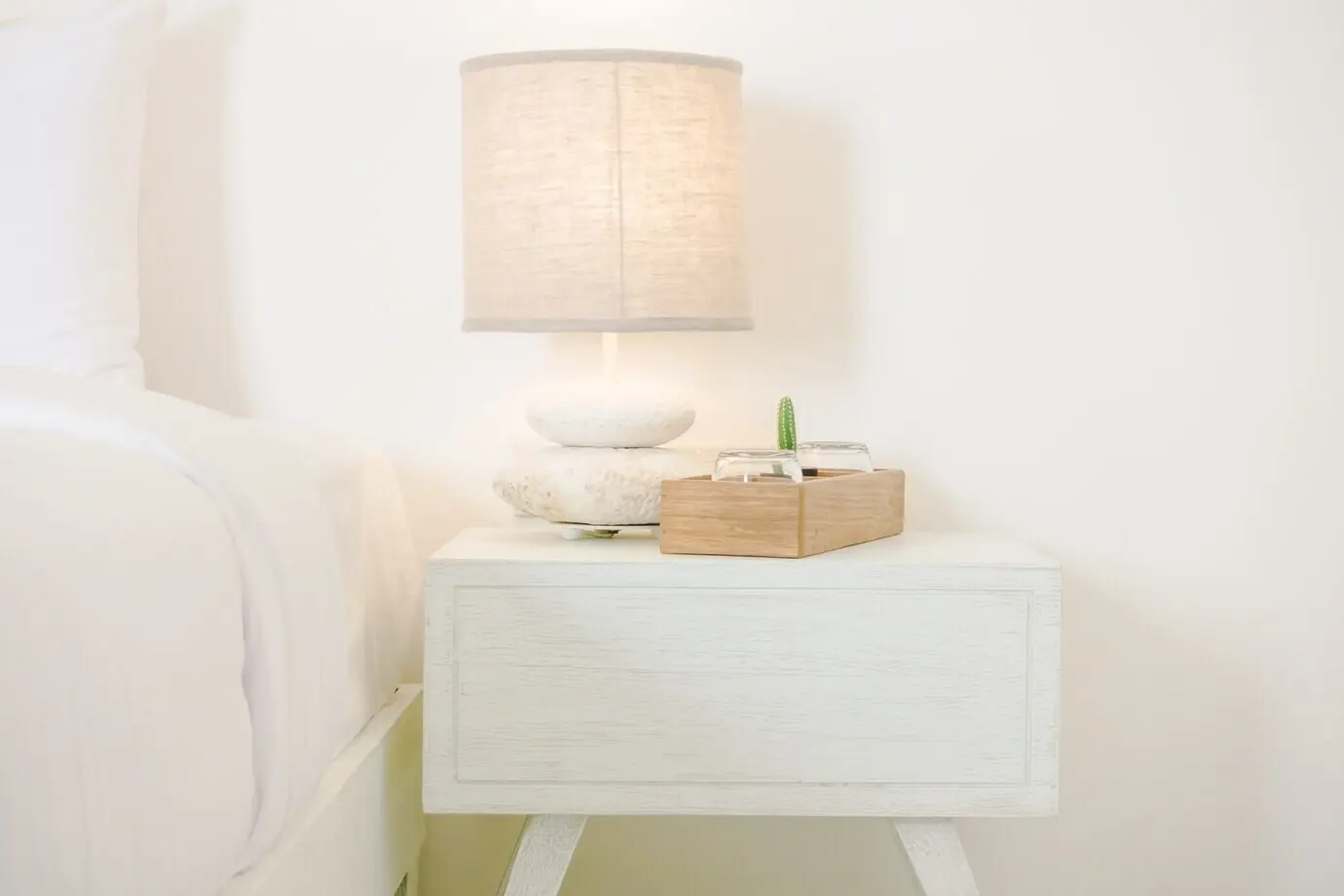
Start with LED strips, smart plugs, and a great floor lamp. Add dimmers, better bulbs, and one transformative wall wash next. When ready, integrate coves or millwork. Each step increases comfort and perceived size, and your feedback helps refine the next upgrade confidently and economically.